Mission & vision
Gavi’s mission is to save lives and protect people’s health by increasing equitable and sustainable use of vaccines.
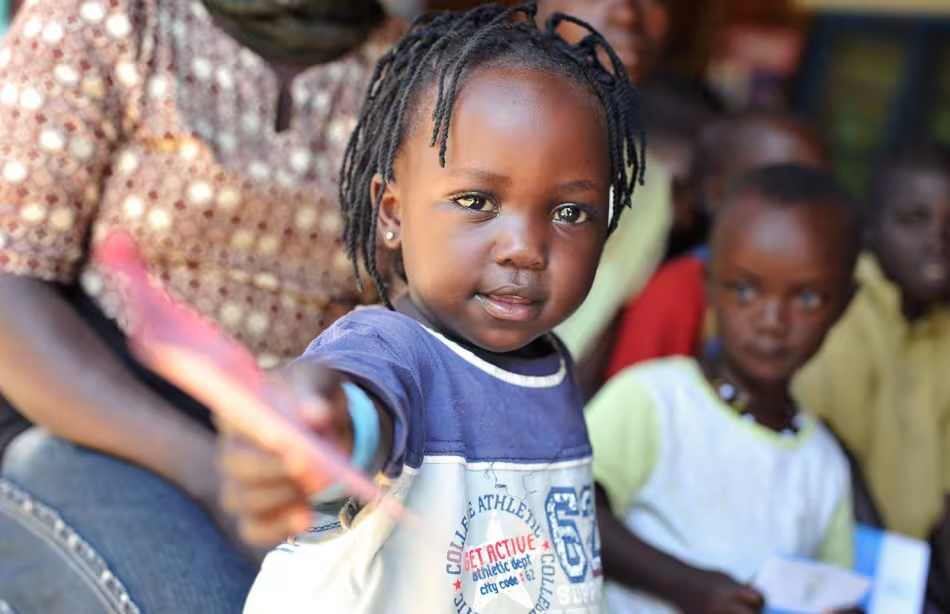
Gavi, the Vaccine Alliance is a public-private partnership that helps vaccinate more than half the world’s children against some of the world’s deadliest diseases.
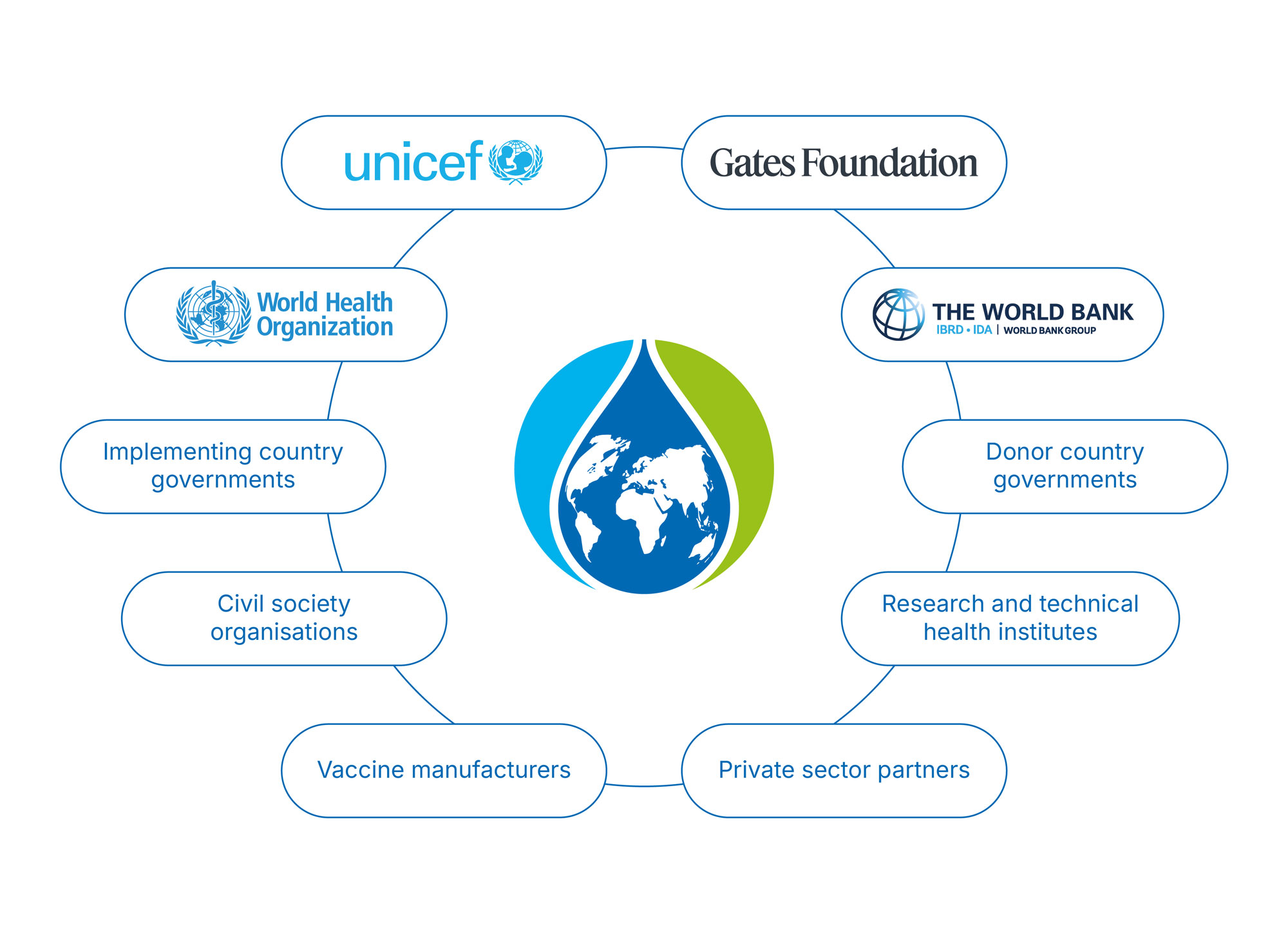
The Vaccine Alliance brings together partner country and donor governments, the World Health Organization (WHO), UNICEF, the World Bank, the vaccine industry, technical agencies, civil society, the Gates Foundation and other private sector partners.
Since its inception in 2000, Gavi has helped to immunise a whole generation – over 1.3 billion children – and prevented more than 23 million future deaths, helping to halve child mortality in 78 lower-income countries.
Gavi also plays a key role in improving global health security by supporting health systems as well as funding global stockpiles for Ebola, cholera, meningococcal, mpox and yellow fever vaccines.
See progress report See facts and figures
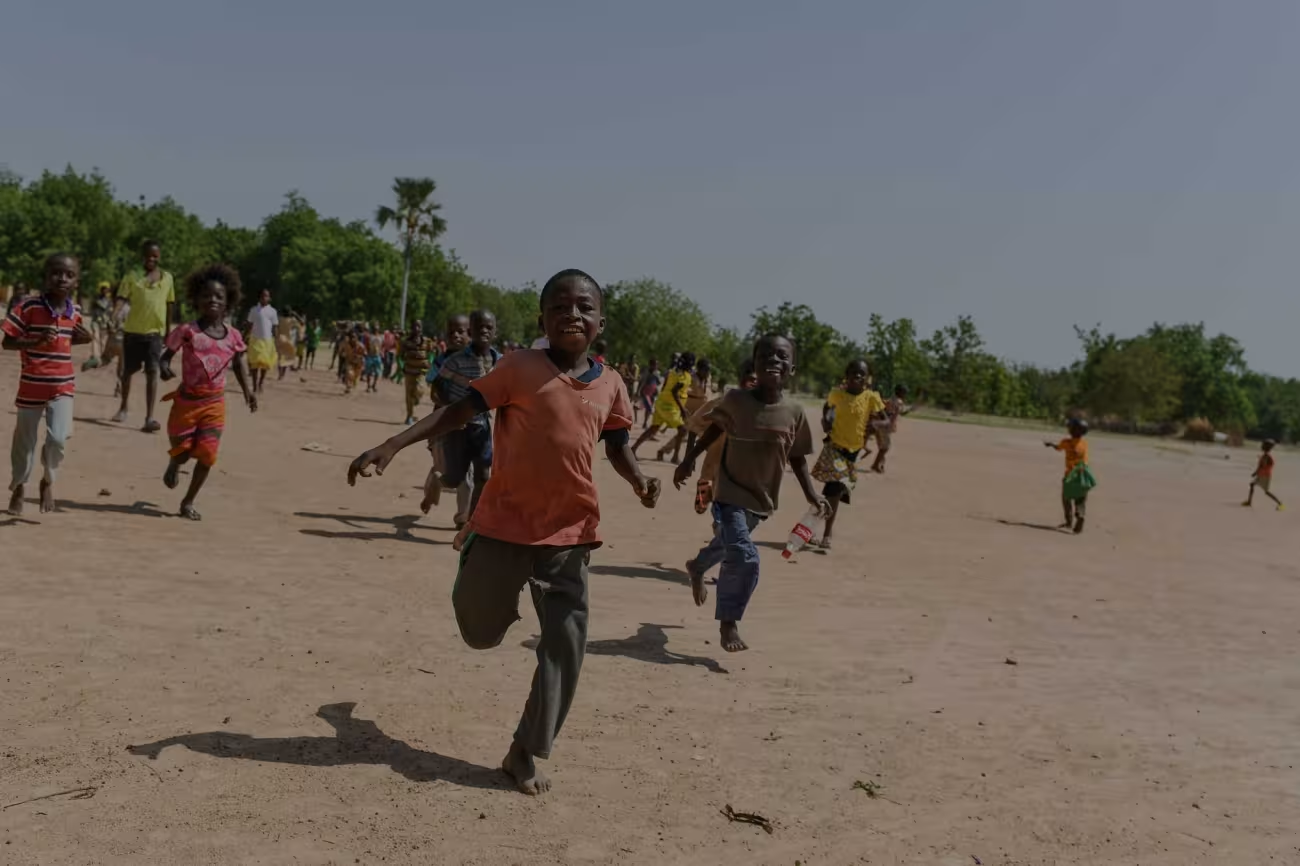
After more than 25 years of progress, Gavi is now focused on protecting the next generation, above all the zero-dose children who have not received even a single vaccine shot.
The Vaccine Alliance employs innovative finance and the latest technology – from drones to biometrics – to save lives, prevent outbreaks before they can spread and help countries on the road to self-sufficiency.
Gavi’s 2026–2030 strategic period is the most ambitious in its history – providing access to the widest, most innovative portfolio of critical life-saving vaccines ever. The Alliance will support countries to vaccinate more than 500 million more children and adolescents. At the same time, our reform programme, the Gavi Leap, is truly placing countries first by increasing country decision-making over financial resources.
The power of partnership
The power of partnership
Gavi’s impact draws on the strengths of its founding partners – the World Health Organization (WHO), UNICEF, the World Bank and the Gates Foundation – and plays a critical role in strengthening primary health care (PHC), bringing us closer to the Sustainable Development Goal (SDG) of Universal Health Coverage (UHC), ensuring that no one is left behind.
Gavi also works with donors, including sovereign governments, private sector foundations and corporate partners; NGOs, advocacy groups, professional and community associations, faith-based organisations and academia; vaccine manufacturers, including those in low- and middle-income countries; research and technical health institutes; and implementing country governments.
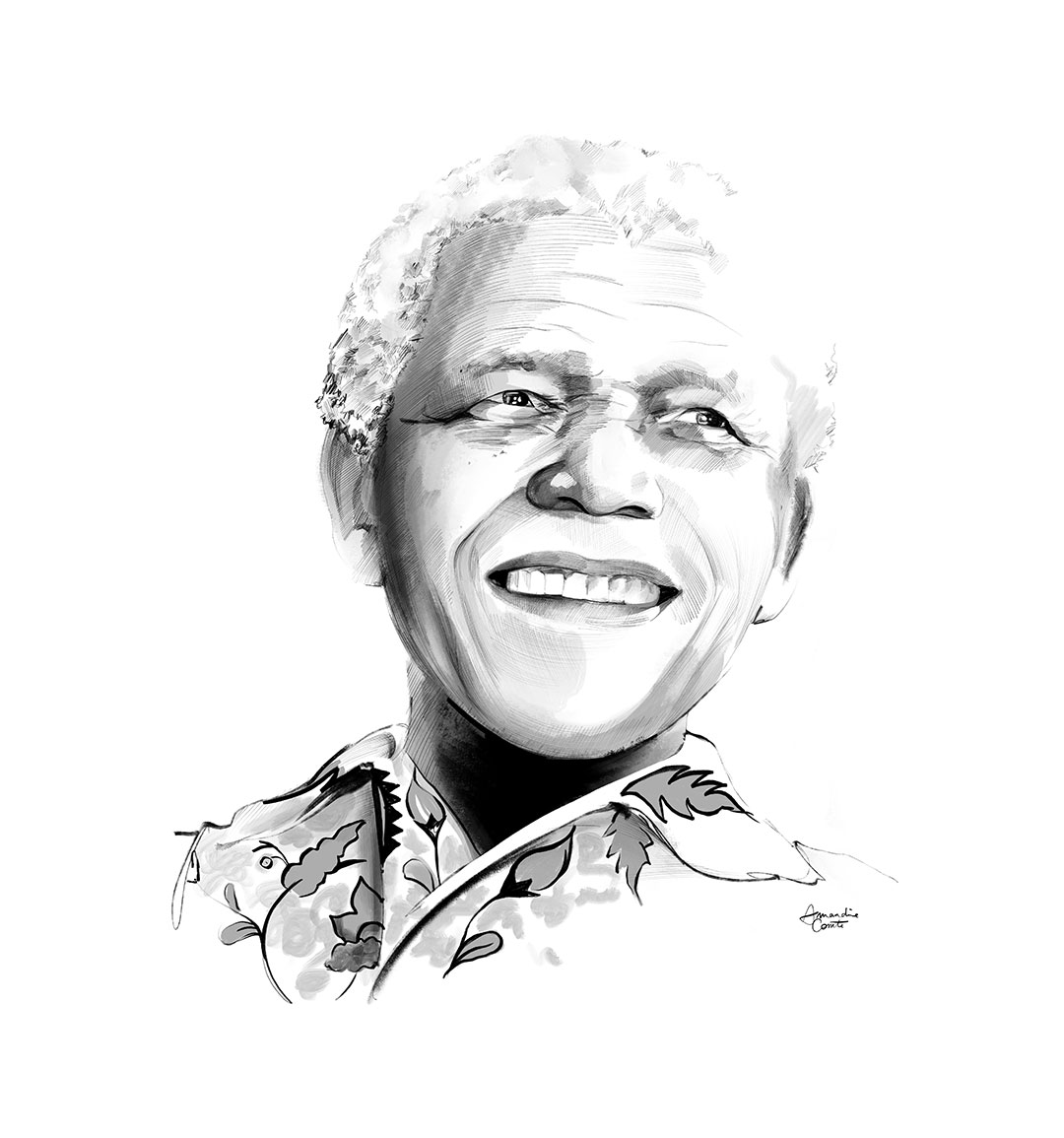
Our primary mission is life critical. Our goal is very clear: to address the gross inequities in child health still existing in the world today. Life or death for a young child too often depends on whether he is born in a country where vaccines are available or not.
Gavi’s impact
- More children survive. The increase in immunisation has helped to halve child mortality by averting more than 20.6 million future deaths, and dramatically driven down the incidence of deadly and debilitating infectious diseases.
- Economies thrive. As children become healthier, they, their families, communities and countries are more able to be economically prosperous and socially stable. For every US$ 1 spent on immunisation in Gavi-supported countries in the 2021–2030 period, US$ 21 are saved in health care costs, lost wages and lost productivity due to illness and death. When considering the value people place on lives saved by vaccines – which is likely to include the value of costs averted plus the broader societal value of lives saved and people living longer and healthier lives – the return on investment is estimated to be US$ 54 per US$ 1 spent. In Gavi’s first 26 years, our work helped generate more than US$ 308 billion in economic benefits in the countries we support.
- And global health security improves. In the face of global challenges, such as climate change, population growth, urbanisation, human migration, fragility and conflict, Gavi has helped countries broaden vaccine coverage and improve their health systems. This makes them less susceptible and better able to prevent disease outbreaks that pose a threat to people in these countries, protecting millions of others around the world.
A proven model
Every year, Gavi-supported vaccines reach more than half of the world’s children, giving it tremendous power to negotiate vaccines at prices that are affordable for the lowest-income countries and to remove the commercial risks that previously kept manufacturers from serving them. Through Gavi’s market shaping efforts, the number of manufacturers supplying prequalified Gavi-supported vaccines has grown, from 5 in 2001 to 19 in 2025 (with nearly half based in low- and middle-income countries).
Gavi shares the cost that implementing countries pay for vaccines, which has resulted in more than 779 vaccine introductions and preventive vaccination campaigns, dramatically boosting immunisation against virulent diseases. For example, in 2000, 3% of low-income countries had introduced nationally Haemophilus influenzae type b (Hib) vaccine that protects against diseases like pneumonia and meningitis.
Gavi has enabled all low-income countries to introduce this vaccine in their national programmes. Today, Gavi-supported countries continue to have higher coverage of vaccines against Hib, pneumococcus and rotavirus than the rest of the world. As of 2025, 19 countries had transitioned out of Gavi support and are fully self-financing vaccine programmes introduced with Gavi support.