
How Ethiopia is maintaining health services during a pandemic?
Ethiopia has overtaken Nigeria to become the Gavi-eligible African country most affected by COVID-19. Over the past week, the number of confirmed cases in Ethiopia has grown exponentially. Despite the pandemic, immunisation activities – both routine and campaign – are ongoing in Ethiopia.
14 September 2020
Nearly a month after the World Health Organization (WHO) declared novel coronavirus a global pandemic, Ethiopia declared a state of emergency, when the country recorded 55 confirmed COVID-19 cases and 2 deaths. The government refrained from sending the country into lockdown in an effort to preserve the country’s economy. Since August, the government has been debating lifting the state of emergency or temporarily extending it for a further three months. Recently, an 80% spike in COVID-19 cases over a span of 12 hours was recorded, which was attributed to the testing campaign launched in early August, which aims to conduct 200,000 tests. In the first week of September, the number of confirmed cases in Ethiopia grew by 15.7% compared to 2.2% in Nigeria, 16.1% in India and 5% in the United States of America.
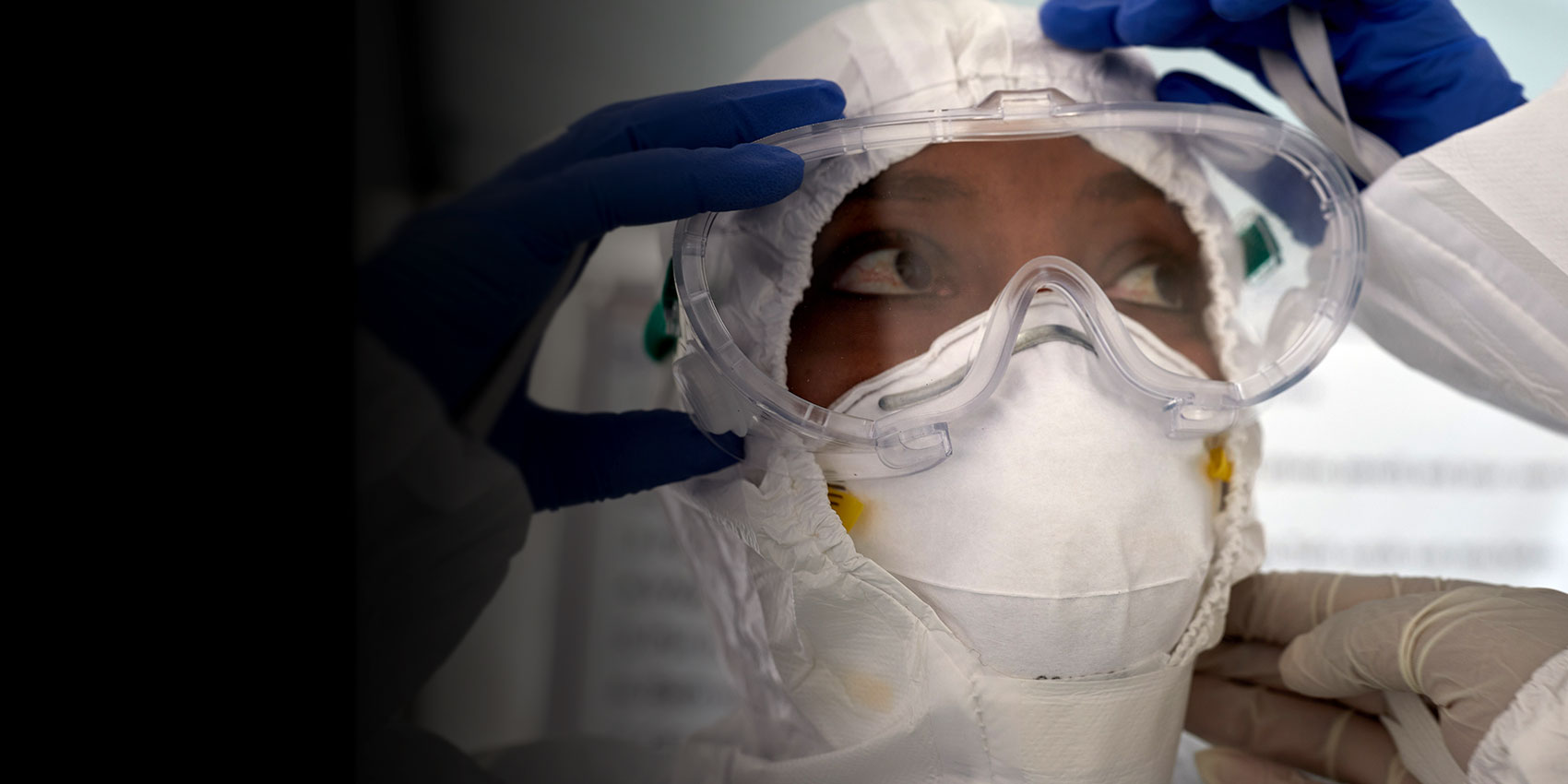
In addition to the COVID-19 pandemic, Ethiopia is also grappling with cholera and yellow fever outbreaks. According to a Ministry of Health (MoH) update, there was a 14% decline in pentavalent and measles-containing-vaccine first-dose (MCV1) coverage from January 2020 to April 2020. The decline in coverage in the first quarter of 2020 could be attributed to the reduced number of outreach sessions and demand for immunisation – primarily driven by restriction of movement; fear of contracting the virus; and shortage of personal protective equipment (PPE) for health workers. Following intense sensitisation efforts by the MoH, service uptake resumed in the second quarter. However, human papillomavirus (HPV) vaccine second-dose vaccination was postponed to October 2020 due to school closures.
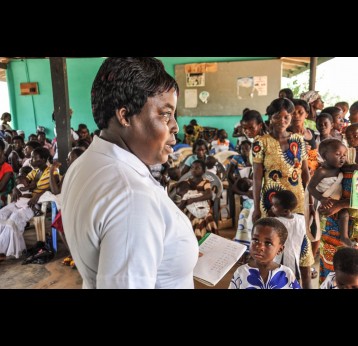
Each vaccination team had six members, including a health worker assigned to carry out COVID-19 screening and education.
A measles follow-up campaign, targeting 14.9 million children aged 9 months – 5 years, was initially planned for April but was postponed in light of the pandemic. However, following a National Immunization Technical Advisory Group (NITAG) recommendation that the measles follow-up campaign should be conducted, the MoH launched the campaign on 30 June under WHO’s pandemic guidance, and it has now been completed. The supplementary immunisation activities were done over 10 days to limit crowds and comply with COVID-19 protection measures. Each vaccination team had six members, including a health worker assigned to carry out COVID-19 screening and education. Reports indicate that, overall, the campaign was successful, with provisional results showing more than 90% coverage. The success was attributed to some key interventions, including, the availability of PPE and infection prevention and control (IPC), school closures and other COVID-19 precautions, strong social mobilisation activities, the proximity of vaccination sites to the communities and, in some places, the use of mobile teams and extended campaign implementation days. Though overall the campaign was successful, it was not without challenges. Mass political protests erupted the week the measles follow-up campaign was launched, following the murder of a popular singer. This affected four regions: Addis Ababa, Oromia, Dire Dawa and Harari; where the campaign resumed only once the security situation had stabilised.
In addition to ensuring minimal disruption to health services such as immunisation services, the government has been focused on the broader COVID-19 response. The response focusses on strengthening community surveillance to improve case-finding, expanding laboratory capacity for testing samples, improving the quality of care at quarantine centres, following a reduction in the quarantine period from 14 to 7 days and incentivising local production of items such as PPE to prevent supply shortages.
Read the full 8 September situation report here.
Related content
What is an Advance Market Commitment and how could it help beat COVID-19?
How we can ensure that once a COVID-19 vaccine is available, it is accessible to everyone that needs it.
28 April 2020: Overview of the COVID-19 situation in Gavi-supported countries and Gavi’s response
The COVID-19 pandemic has placed a heavy burden on global economies, health care systems and other core sectors. Gavi is helping countries reallocate their health system strengthening grants to provide fast and flexible funding for vital…
COVID-19: Gavi and UNICEF to secure equipment and diagnostics for lower-income countries
As part of Gavi’s work supporting lower-income countries’ response to COVID-19, the Alliance is providing US$ 40 million to UNICEF to secure supplies of personal protective equipment (PPE) and diagnostics for 58 countries.
Gavi’s role in the COVID-19 response in supported countries
The COVID-19 pandemic has placed a heavy burden on global economies, healthcare systems and other core sectors. Gavi is helping countries reallocate their health system strengthening grants to provide fast and flexible funding for vital resources…
Gavi and global health actors collaborate to accelerate COVID-19 technologies for all
Goal of new global collaboration is to make COVID-19 diagnostics, therapeutics and vaccines available to everybody that needs them as quickly as possible.
Lessons in preparing to distribute COVID-19 vaccine
How the 2009 H1N1 influenza pandemic can help us be better prepared for distributing and administering potential COVID-19 vaccines.
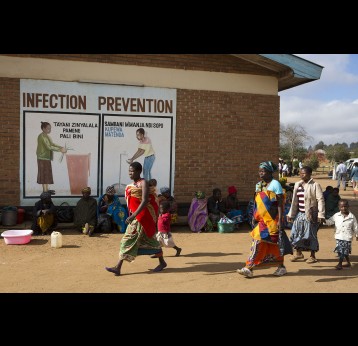
COVID-19: massive impact on lower-income countries threatens more disease outbreaks
At least 13.5 million people to miss out on vaccinations due to postponement of campaigns and interruptions in routine vaccinations, with millions more likely to follow.
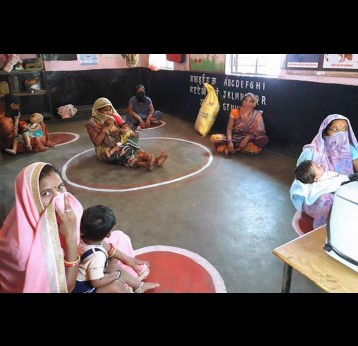
Modelling suggests suppression strategy will save more lives from COVID-19 in poor countries
Imperial model of the spread of COVID-19 implies a suppression strategy could be most effective.
Gavi applauds G20 Leaders' commitment to supporting the global effort against COVID-19
Gavi, the Vaccine Alliance applauds the commitment of the G20 Leaders chaired by Saudi Arabia “to provide immediate resources to the WHO’s…
Gavi Board calls for bold engagement to respond to COVID-19
With the COVID-19 pandemic already affecting 47 Gavi-supported countries, Gavi, the Vaccine Alliance has already taken new steps to help strengthen the preparedness of health systems in lower-income countries with the full support of its Board.…