

Our vaccine portfolio
Gavi supports vaccines against 20 infectious diseases, including Ebola, malaria, mpox and rabies. Learn more about our support for each vaccine by clicking below.

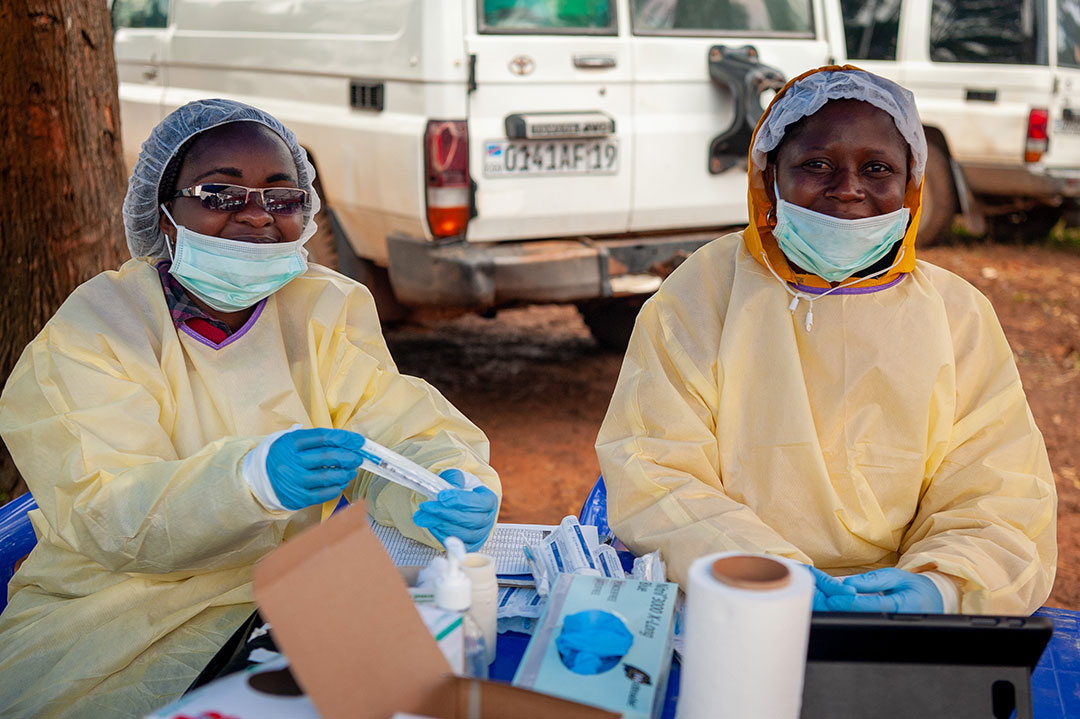
Ebola vaccine support
Gavi supports the global vaccine stockpile – rapidly accessible to countries to stop outbreaks in their tracks, and a preventive Ebola vaccination programme.

HPV vaccine support
Safe and effective human papillomavirus (HPV) vaccine offers protection against at least 70% of all cervical cancer cases.
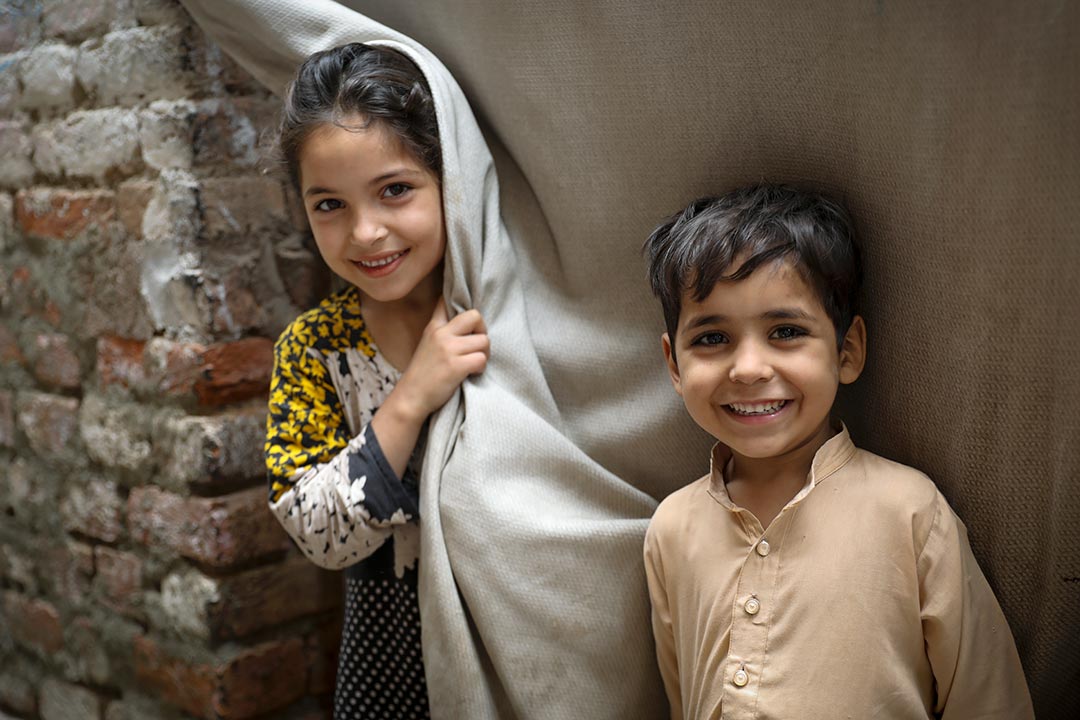
Inactivated polio vaccine support
Countries are now introducing a second dose of inactivated polio vaccine (IPV) with full Gavi support.
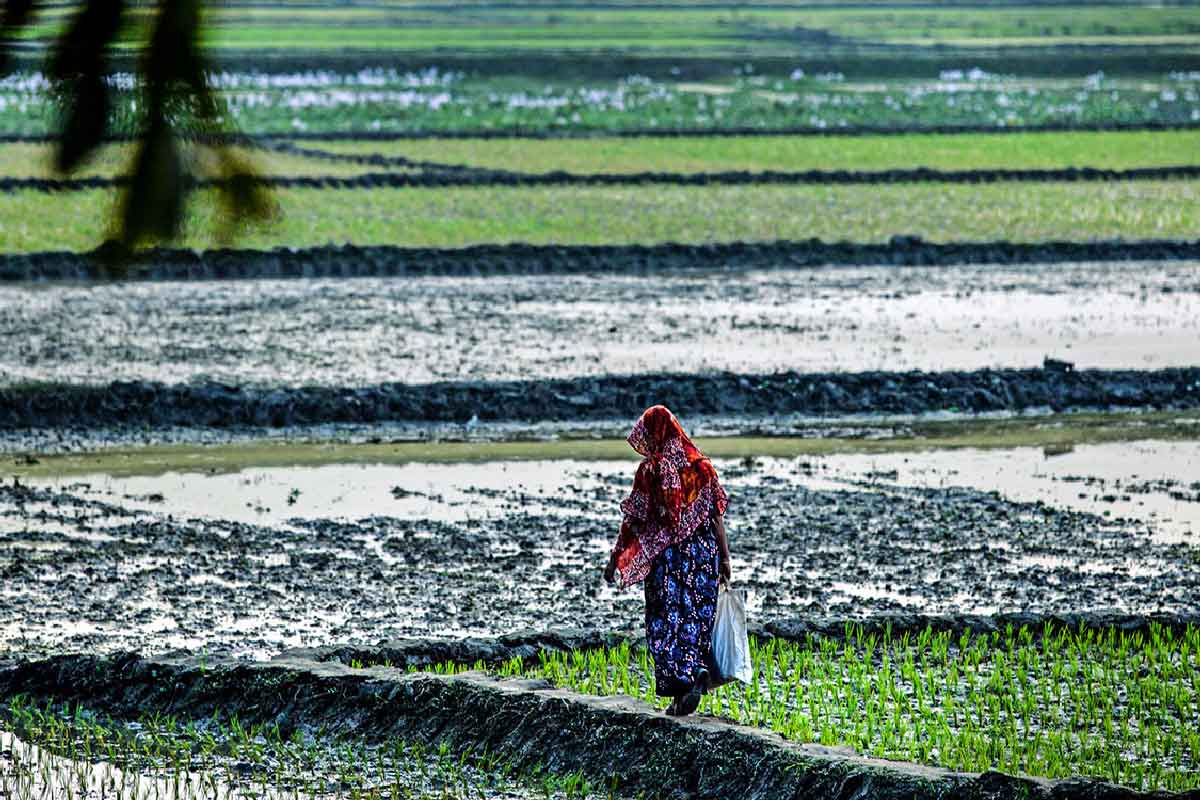
Japanese encephalitis vaccine support
Gavi supports the introduction of the Japanese encephalitis (JE) vaccine into routine immunisation programmes, and funds catch-up campaigns.
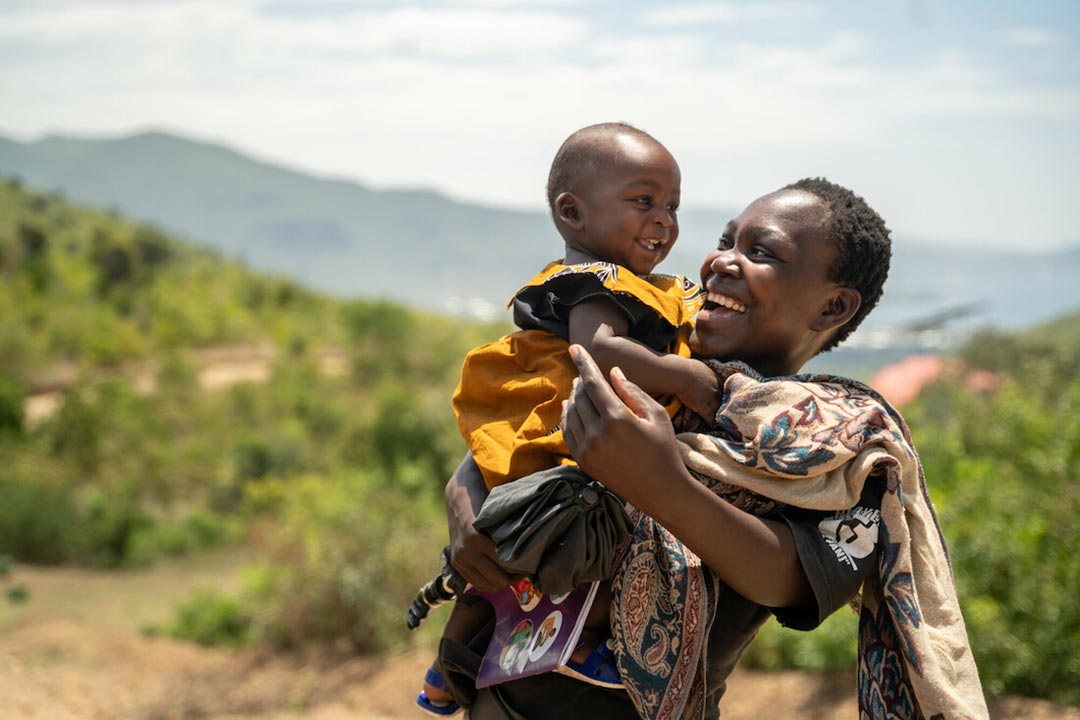
Malaria vaccine support
As of October 2025, 24 countries in Africa have introduced malaria vaccines into their routine immunisation programmes with Gavi support.
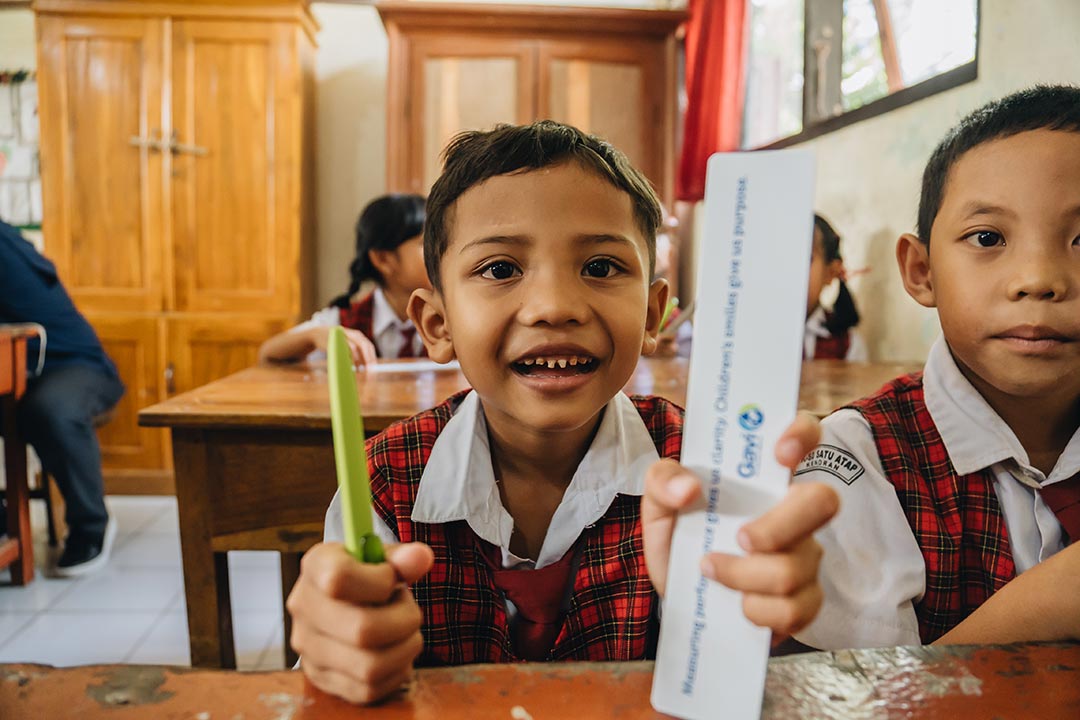
Measles and measles-rubella vaccine support
Gavi-supported measles and measles-rubella vaccines protect against two devastating diseases.
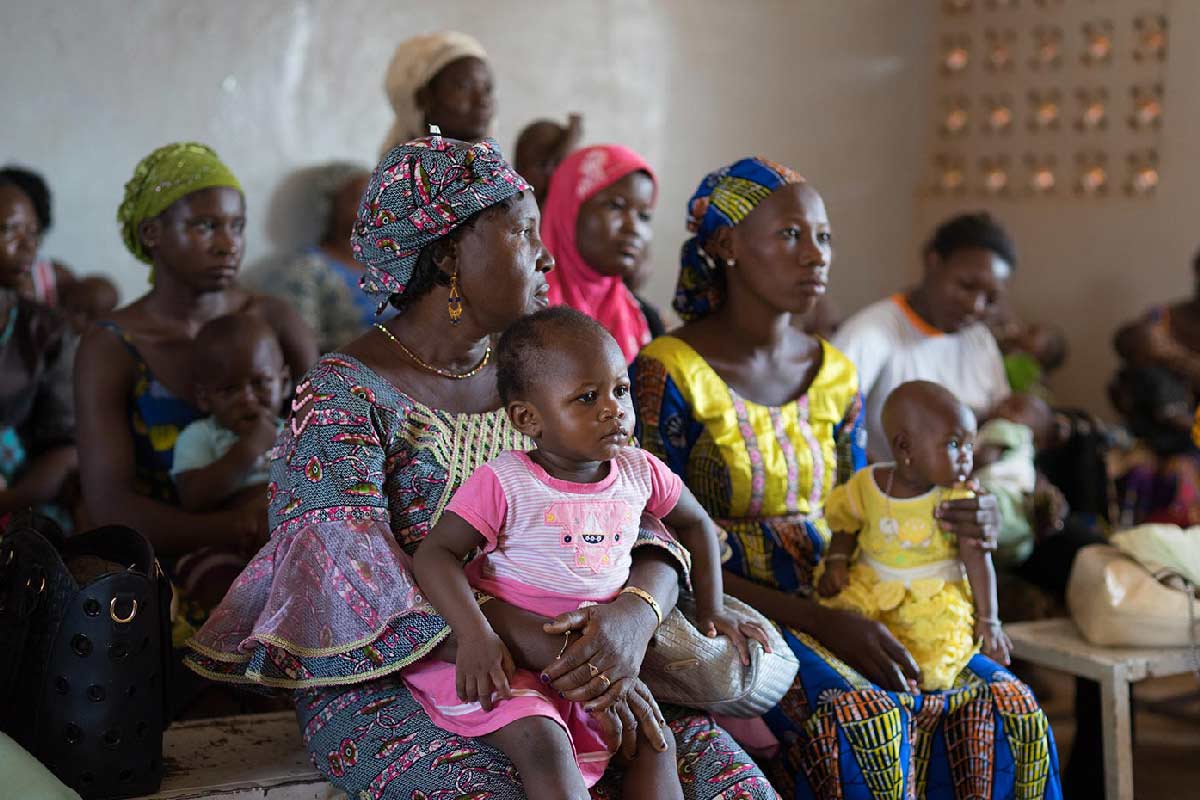
Meningococcal vaccine support
Gavi supports meningococcal A routine immunisation and campaigns, in addition to the Gavi-funded multivalent meningococcal vaccine stockpile for outbreak response.
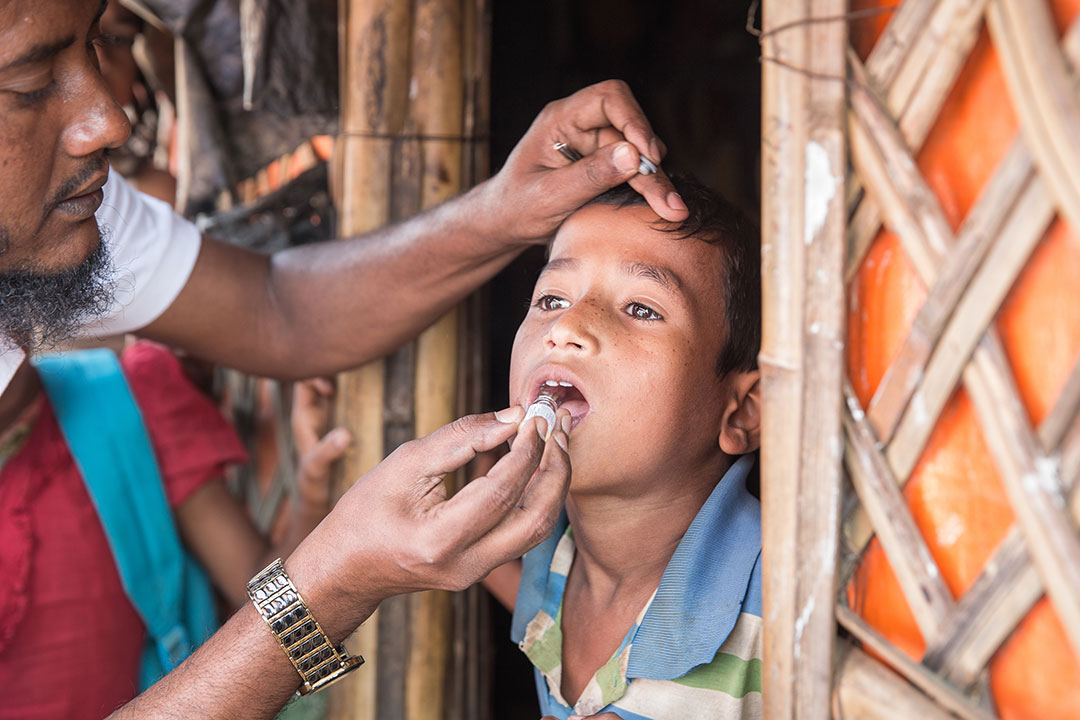
Oral cholera vaccine support
Gavi helps to prevent cholera outbreaks and control endemic cholera through its support to the Global Oral Cholera Vaccine (OCV) Stockpile and preventive OCV programme.
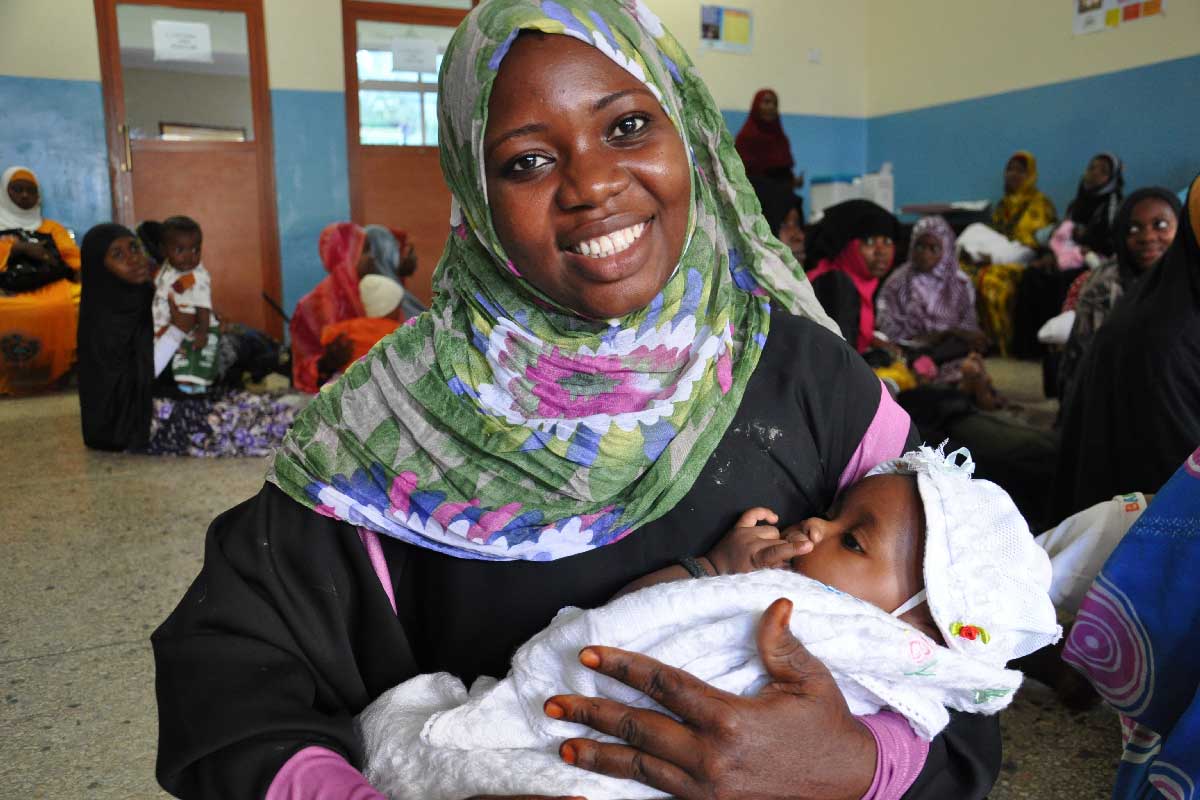
Pentavalent vaccine support
Find out more about Gavi’s support for the pentavalent vaccine, which protects against five deadly diseases.
Pneumococcal conjugate vaccine support
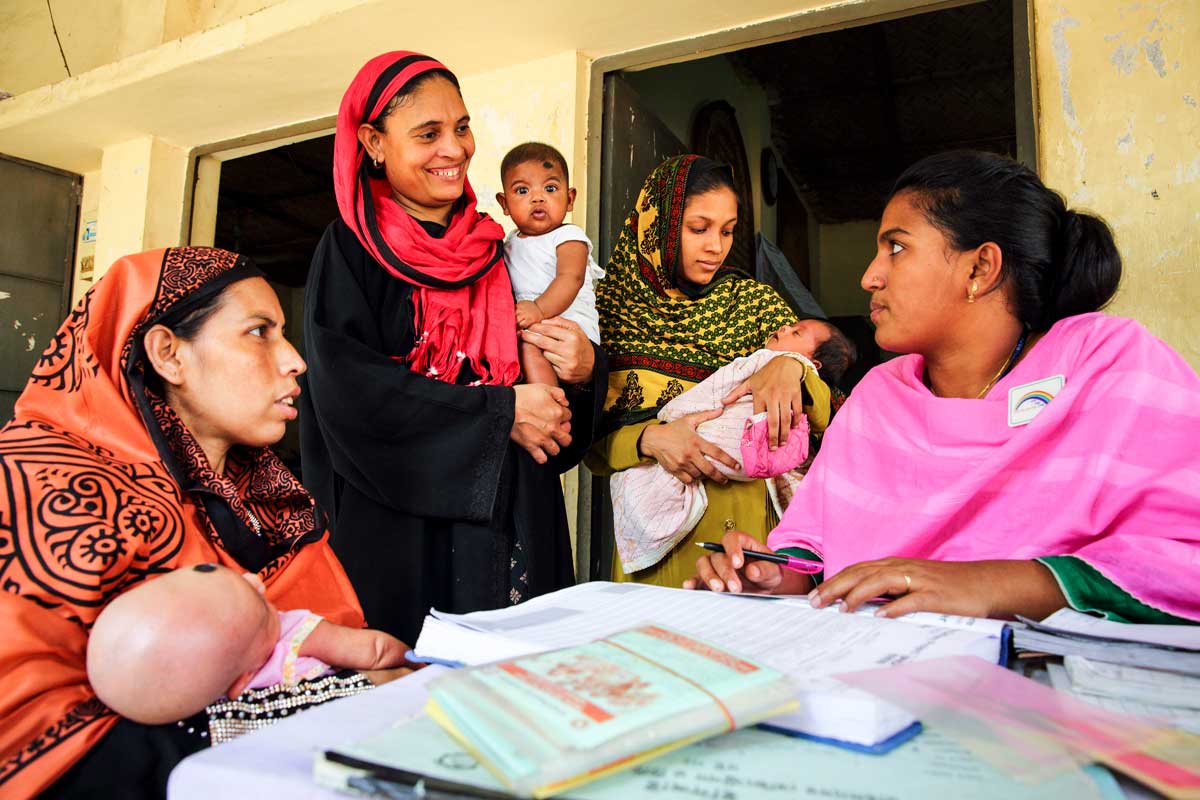
Gavi helps countries prevent pneumonia through routine vaccination and a one-time catch-up campaign at launch, as well as catalytic introduction support for middle-income countries.

Rabies vaccine support
The funding window for rabies post-exposure prophylaxis (PEP) vaccine opened in June 2024. Detailed guidelines on the Gavi Support Guidelines webpage.
Rotavirus vaccine support
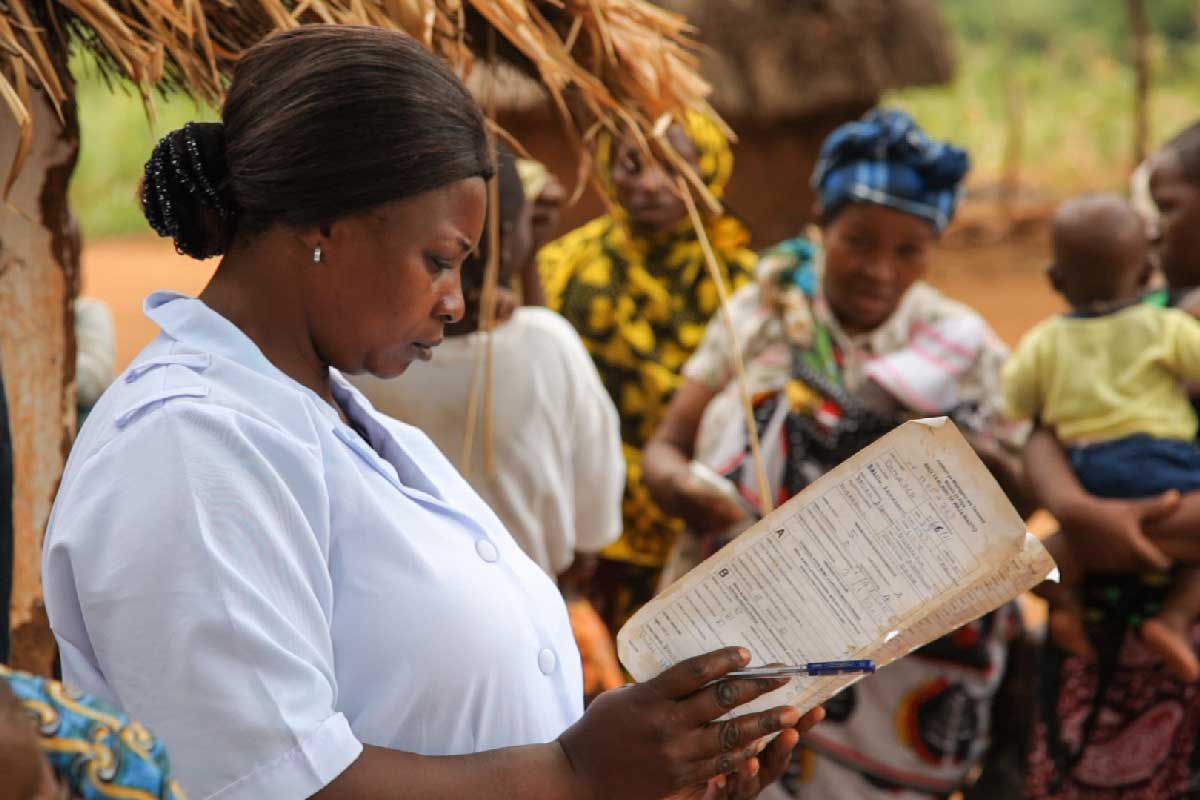
Gavi supports countries to introduce and roll out the rotavirus vaccine, including catalytic introduction support for middle-income countries, protecting against severe and deadly diarrhoea.

Typhoid conjugate vaccine support
Gavi funding for the new typhoid conjugate vaccine (TCV), which protects against typhoid fever and can curb antimicrobial resistance, became available in 2018.
Yellow fever vaccine support
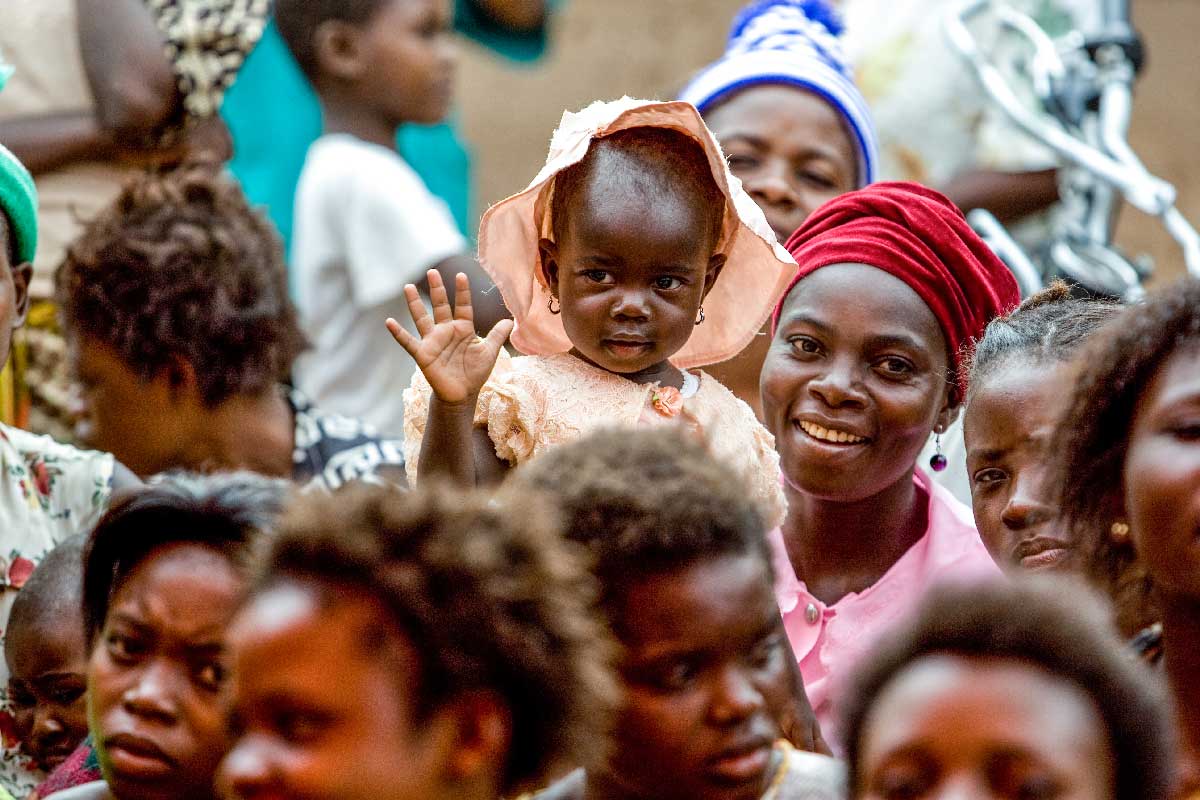
Gavi provides yellow fever vaccine support for its introduction into routine immunisation programmes, as well as funding for campaigns in high-risk countries and an emergency stockpile in case of outbreaks.
Gavi diagnostic support
Gavi diagnostic support
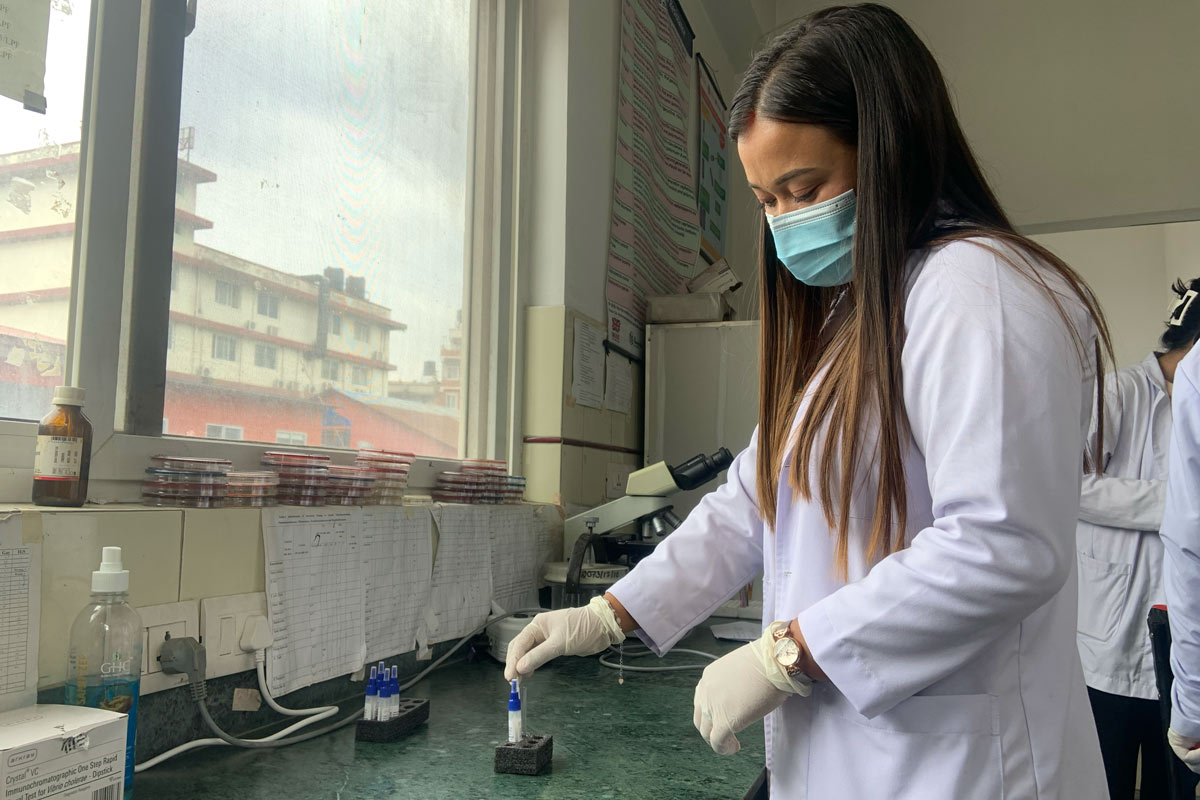
Gavi supports countries with relevant diagnostics to improve targeting for yellow fever and cholera vaccines, while also ensuring that fit-for-purpose tests are available for measles and rubella, meningococcal meningitis and typhoid fever.
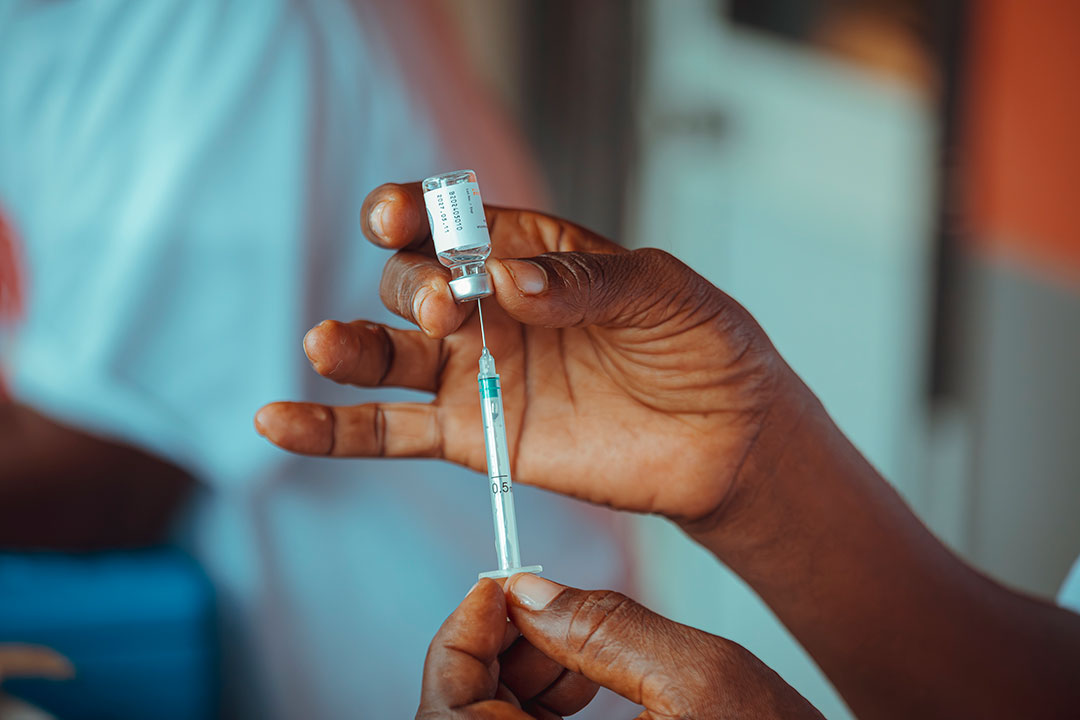
Vaccine information
Vaccine information
Fact-based, accurate and accessible vaccine information from Gavi’s VaccinesWork platform and from our Vaccine Alliance partners.